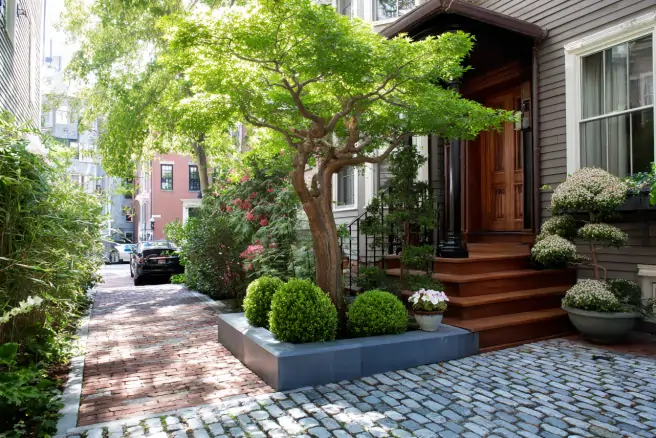
Fall is a season of transformation, making it an ideal time to refresh and revitalize your garden. While spring often gets the spotlight for planting, autumn offers unique advantages that significantly benefit both plants and gardeners. Understanding these benefits can help you maximize the potential of your outdoor space.
Benefits of Fall Planting for Boston, MA Landscaping
- Optimal Soil Conditions
During fall, the soil remains warm from the summer months, which promotes root growth. Unlike spring, when soil tends to be cooler and wetter from thawing snow or rain, autumn’s conditions encourage plants to establish strong roots before winter sets in. - Reduced Stress on Plants
Cooler temperatures in fall create less stress on plants compared to the heat of summer. This climate allows them to focus on root development rather than battling extreme weather conditions. - Lower Maintenance Requirements
Autumn rains are more consistent in many regions, reducing the need for frequent watering. Combined with shorter days and cooler temperatures, this creates an environment where plants require less direct care. - Fewer Pests and Diseases
Many garden pests become inactive during autumn, giving your plants a better chance to thrive without interference from insects or diseases that tend to peak during warmer months.
Landscaping Companies Boston, MA Recommend Types of Plants That Thrive in Fall
| Plant Category | Examples | Benefits |
| Perennials | Echinacea, Hostas, Daylilies | Establish roots for spring blooms |
| Shrubs & Trees | Maples, Dogwoods, Hydrangeas | Strong root foundation for longevity |
| Cool-Season Vegetables | Kale, Spinach, Lettuce | Quick growth before frost |
| Bulbs for Spring Flowers | Tulips, Daffodils | Bloom beautifully after winter |
Tips for Successful Fall Planting
- Prepare the Soil: Add compost or organic matter to enhance nutrient levels.
- Plant Early: Aim to plant 6-8 weeks before the first hard frost so roots have time to establish.
- Mulch Strategically: Apply mulch around new plantings to insulate roots and retain soil moisture.
- Prune Sparingly: Avoid heavy pruning as it may stimulate unnecessary growth that could weaken during winter.
Why Fall is Perfect for Gardeners
- Landscapers often have greater availability once summer projects wrap up.
- Cooler weather makes outdoor work more enjoyable.
- End-of-season sales at nurseries allow you to purchase quality plants at discounted prices.
Revitalizing your garden during autumn ensures it’s primed for success throughout the year ahead while minimizing labor-intensive tasks later on. By taking advantage of these seasonal benefits and strategies now, you’re setting up a thriving landscape that will reward you with beauty in every season.
Transform Your Backyard with the Best Landscaping Boston, MA Experts
Creating a picturesque backyard that combines beauty, functionality, and personal style starts with selecting the right landscape contractor. Whether you’re planning a minor refresh or a complete transformation, partnering with a qualified professional can make all the difference. Here’s how you can find the best landscape contractor for your project and ensure your backyard becomes the oasis you envision.
1. Define Your Vision and Goals
Before reaching out to contractors, establish clear goals for your outdoor space. Consider the following questions: – What features are most important to you? (e.g., patio, garden beds, water features) – Do you need low-maintenance landscaping? – Are there specific plants or materials you’re drawn to? – What is your budget and timeline?
Having a defined vision provides clarity when discussing ideas with potential contractors.
2. Research and Shortlist Contractors
Finding reputable landscape contractors requires diligent research. Use these steps: – Online Reviews: Check platforms like Google Reviews, Yelp, or Houzz for unbiased feedback. – Portfolio Review: Examine previous projects through contractor websites or social media. – Referrals: Ask friends, neighbors, or family for recommendations on trusted professionals.
Create a shortlist of three to five contractors who align with your needs.
3. Schedule Consultations
Meeting contractors in person allows you to gauge their expertise and compatibility. During consultations: – Share your vision and listen to their suggestions. – Ask about their process for design, planning, and execution. – Inquire about their experience with similar projects.
This is also an opportunity to assess communication skills and professionalism.
4. Key Questions to Ask Potential Contractors
To help narrow down your choices, consider asking the following: 1. Are you licensed, insured, and bonded?
2. Do you offer customized designs tailored to my space?
3. Can I see examples of similar projects you’ve completed?
4. How do you handle challenges like drainage issues or uneven terrain?
5. What is the estimated timeline for completion?
A reliable contractor should provide thorough answers backed by examples of previous work.
5. Compare Estimates
When reviewing estimates from different contractors: | Factor | What to Look For | |————————–|—————————————————–| | Pricing | Is it detailed? Does it include labor and materials?| | Timeline | Does it align with your expectations? | | Services Offered | Are maintenance plans available post-project? | | Materials | Are they using quality materials that suit your climate?|
Avoid choosing solely based on cost; focus on value instead.
6. Collaboration is Key
Once you’ve selected a contractor: – Stay involved throughout the project by maintaining open communication. – Provide timely feedback during each phase of implementation. – Trust their expertise while ensuring they stay aligned with your vision.
Collaborating effectively ensures that every element—from plant selection to hardscape placement—enhances your backyard’s appeal.
By taking these steps, you’ll be well on your way toward finding an experienced landscape contractor capable of turning your outdoor dreams into reality efficiently and professionally.
Enhancing Boston, MA Landscapes with Creative Winter Hardscape Design Ideas
Winter is often overlooked as a time to enhance your outdoor spaces, yet it offers a unique opportunity to incorporate hardscape designs that stand out against the dormant landscape. Hardscaping not only adds functionality and visual interest but also complements the natural beauty of winter. Here are several creative ideas for transforming your outdoor areas during the colder months.
Benefits of Winter Hardscaping Projects
- Easier Scheduling: Landscape contractors often have more availability during winter, so you can plan and execute projects more efficiently.
- Soil Stabilization: During colder months, frozen or compacted soil provides a stable base for structures such as patios, walkways, and retaining walls.
- Immediate Impact: Unlike planting projects, hardscaping offers immediate results with no need to wait for growth cycles.
By taking advantage of the off-season, you ensure your outdoor living space is ready by spring.
Creative Winter Hardscape Design Ideas
- Install fire pits or outdoor fireplaces to create warm gathering spots for family and friends during the winter months.
- Materials like natural stone or brick add durability while blending seamlessly into your landscape design.
- Incorporate heated paving systems into walkways, reducing snow accumulation and providing safe passage during icy conditions.
- Use aesthetic materials like stamped concrete or pavers to enhance curb appeal.
- Build pergolas equipped with integrated lighting systems for ambiance after dark.
- Combine weather-resistant materials such as aluminum or cedar with string lights or hanging lanterns.
- Add multi-functional retaining walls that also serve as seating areas.
- Choose finishes like smooth stone or textured concrete for adaptability in both modern and rustic settings.
Materials Ideal for Winter Durability
| Material | Benefits | Best Uses |
| Natural Stone | Durable; timeless aesthetic | Patios, walkways, walls |
| Concrete Pavers | Versatile; available in various textures | Driveways, pathways |
| Brick | Classic look; withstands freezing temps | Fire pits, edging |
| Composite Lumber | Weather-resistant; low maintenance | Decking, seating areas |
Enhancing Functionality This Season
- Add stone steps bordered by LED lighting for evening usability.
- Install built-in storage benches along patios to store blankets or cushions.
- Incorporate water features like a heated fountain for year-round visual appeal.
Investing in creative winter hardscaping ensures your outdoor space remains both practical and visually striking throughout the colder months. By combining thoughtful designs with durable materials, you can elevate your landscape’s appeal while preparing it for all seasons ahead.
Get an Estimate from the Best Landscapers Boston, MA Has to Offer Today
Embarking on a landscaping project can transform your outdoor spaces into a functional and beautiful sanctuary. However, bringing your vision to life requires planning, budgeting, and professional expertise. Requesting an estimate is the first and most critical step in achieving your dream landscape. Here’s why requesting an estimate is essential and what you should consider during the process.
Méndez Landscaping and Construction
82 Havre St,
Boston, MA 02128
+16177126783
https://mendezlandscapingconstruction.com
Why Requesting an Estimate Matters
- Clarity on Costs
Understanding the financial aspects of a landscaping project ensures you can plan effectively without unexpected surprises. An estimate provides a detailed breakdown of costs, including materials, labor, equipment rentals, and any additional services. - Customized Solutions
Reputable landscapers tailor their estimates based on the unique requirements of your property—be it soil conditions, desired plants, or hardscape features like patios or retaining walls. - Professional Insight
During the estimate process, landscapers often provide valuable recommendations about plant selection, design ideas, and site improvements that align with your budget. - Comparing Options
Requesting multiple estimates allows you to compare contractors not just by cost but also by their approach to design and communication style.
What Information Should You Provide When Requesting an Estimate?
- Project Goals: Define whether you’re focused on planting new vegetation, hardscaping (e.g., patios), irrigation systems, or complete redesign work.
- Budget Range: Sharing a realistic budget helps contractors suggest solutions that work within your financial plan.
- Timeline: Indicate whether you’re looking for seasonal planting or longer-term projects that extend over weeks.
- Site Details: Share any unique challenges like uneven terrain or areas prone to drainage issues.
- Inspiration Ideas: Bring photos of landscapes you admire to communicate expectations clearly.
Steps to Kickstart Your Landscaping Project
- Research local landscape professionals with strong reviews or recommendations.
- Schedule consultations with 2–3 contractors for more competitive options.
- What types of materials do you recommend?
- Are there eco-friendly plant options suitable for my area?
- How long will this project take from start to finish?
- Request itemized estimates rather than lump-sum quotes for transparency in pricing.
- Verify credentials such as licensing, certifications (e.g., ICPI for pavers), and insurance coverage before proceeding.
Sample Cost Breakdown Table
| Item | Cost Range | Notes |
| Soil Preparation | $500–$1,000 | Includes grading and fertilization |
| Plant Installation | $1,000–$5,000 | Varies based on species & quantity |
| Hardscaping Features | $2,500–$10,000+ | Patios/walkways; material-dependent |
| Irrigation System | $1,500–$4,000 | Automated sprinkler systems |
| Maintenance Plan | $100–$300/month | Optional recurring services |
This breakdown will vary depending on region-specific factors such as climate needs or specialty requests.
Final Thoughts on Working With Landscapers
- Review contracts thoroughly before signing to ensure all deliverables are documented.
- Communicate openly during the project execution phase to address unforeseen challenges promptly.
- Schedule follow-ups post-completion if issues arise with installations like irrigation systems or plantings.
Requesting an estimate not only empowers homeowners with actionable clarity but also serves as the foundation for turning outdoor dreams into reality through professional expertise.
Top Plant Suggestions for Stunning Landscape Design Boston, MA
Native Plants: A Sustainable Choice
Native plants are adapted to local climates and soil conditions, making them a low-maintenance and environmentally friendly choice. They require less water, fertilizer, and pest control compared to non-native species.
Popular native plants include: – Purple Coneflower (Echinacea purpurea): Adds vibrant color and attracts pollinators such as bees and butterflies. – Switchgrass (Panicum virgatum): A hardy ornamental grass that provides texture and movement. – Black-Eyed Susan (Rudbeckia hirta): Provides bright yellow blooms during summer and fall.
Evergreen Plants for Year-Round Interest
Evergreens ensure that your landscape remains lush and vibrant even during winter months. They also serve as excellent natural screens or windbreaks.
Consider these evergreen options: – Boxwood (Buxus spp.): Ideal for hedges or topiary designs due to its dense foliage. – Japanese Holly (Ilex crenata): Offers small glossy leaves perfect for foundation plantings. – Eastern Red Cedar (Juniperus virginiana): A versatile tree with a conical shape that works well in privacy screens.
Flowering Shrubs for Seasonal Color
Flowering shrubs can add bursts of color to your garden during specific times of the year. Many also offer lovely fragrances that enhance outdoor spaces.
Recommended flowering shrubs: | Shrub Name | Bloom Season | Features | |———————|——————–|———————————-| | Hydrangea | Summer to Fall | Large clusters of pastel blooms | | Lilac (Syringa) | Spring | Sweetly scented purple flowers | | Rose of Sharon | Late Summer | Tropical-looking blossoms |
Trees for Structure and Shade
Trees play a vital role in defining the structure of any landscape design. They provide shade, improve air quality, and create focal points in large or small spaces.
Top tree choices: – Red Maple (Acer rubrum): Known for its brilliant red foliage in autumn. – Dogwood (Cornus florida): Offers beautiful flowers in spring and rich red leaves in fall. – Magnolia: Gorgeous blooms make this tree an excellent centerpiece.
Perennials for Low-Maintenance Beauty
Perennials return each year, making them an economical choice for long-term landscaping needs.
Some standout perennials include: – Daylilies (Hemerocallis): Adaptable plants with diverse bloom colors. – Hostas: Perfect for shaded areas with striking foliage patterns. – Russian Sage: Drought-tolerant with silvery-green leaves and lavender flowers.
Ground Covers to Fill Gaps
Ground covers are ideal for filling empty spaces between larger plants or covering bare soil areas. They can reduce weed growth while adding texture to your design.
Popular ground covers: – Creeping Thyme: Fragrant, low-growing herb with tiny purple flowers. – Sedum: A succulent option that thrives in poor soils. – Ajuga: Known for its glossy leaves ranging from green to deep purple hues.
Tips for Selecting Plants with a Landscaper Boston, MA
- Assess your property’s soil type, sunlight exposure, and climate zone before choosing any plant variety.
- Incorporate a mix of evergreen, deciduous, flowering species, grasses, and ground covers to create balance.
- Prioritize diversity by avoiding monoculture planting to prevent pests or diseases from spreading easily across your garden.
- Plan layers – taller trees at the back followed by medium-height shrubs leading down to smaller perennials or ground covers at the front.
Adding thoughtfully selected plants ensures your outdoor space is not only beautiful but also functional throughout every season. Each plant type plays an important role—whether it’s providing shade during summer months or attracting pollinators—and contributes toward designing a harmonious environment tailored specifically to your needs.
Top Landscaping Companies in Boston, MA for Expert Design and Build Projects
Design and build landscaping projects can transform an ordinary outdoor area into a functional and visually stunning extension of your home. This process combines design expertise with construction skills to bring your vision to life. Whether you are creating a lush backyard retreat, a sophisticated patio, or enhancing curb appeal, following expert advice is essential to achieve the best results. Below is an overview of how professionals approach these projects, alongside practical tips for homeowners.
The Key Steps in a Design and Build Landscaping Project
- Discuss your goals, budget, and vision for the space.
- Evaluate existing site conditions (soil quality, drainage needs, sunlight exposure).
- Develop a detailed landscape plan that incorporates your preferences (e.g., plant materials, hardscape features).
- Consider practical aspects like accessibility, zoning regulations, and maintenance requirements.
- Provide transparent cost estimates for plants, materials (e.g., stone or wood), labor costs, etc.
- Work collaboratively to choose sustainable options or premium upgrades based on your priorities.
- Begin with site preparation (grading land or installing appropriate drainage).
- Build hardscape elements such as patios, pergolas, walkways, or retaining walls.
- Plant trees, shrubs, flowers while ensuring proper spacing for growth.
- Review the completed work with the contractor.
- Receive guidance on seasonal care strategies for plants and structures.
Factors to Consider During Landscape Design
- Functionality: Tailor the design to reflect how you will use the space – entertaining guests versus creating private relaxation areas may require different layouts.
- Aesthetic Harmony: Ensure the materials complement your home’s architectural style (modern designs favor clean lines; traditional homes pair well with natural stone).
- Sustainability: Choose native plants requiring minimal water or fertilizers; incorporate eco-friendly practices like rainwater harvesting systems.
Benefits of Hiring Professionals for Landscaping Projects
- Access to specialized knowledge in plant selection suited to local climates.
- Expertise in integrating hardscapes seamlessly within softscape designs.
- Time efficiency due by relying on skilled teams familiar with machinery/equipment use.
| Aspect | DIY Approach | Professional Services |
| Time Commitment | High | Reduced |
| Knowledge Level | Requires Extensive Research | Informed by Years of Experience |
| Cost Efficiency | Initial Savings but Risk of Errors | Optimized Budgets Long-Term |
By understanding these key components of landscape design projects — from initial concepts through construction phases — you’ll be better equipped as homeowner tasked w/ oversight
Discover the Benefits of Fall Planting for Lawn Care Boston, MA Gardens Year-Round
Fall is an underrated yet optimal time of year to enhance your garden. The cooler weather, increased soil moisture, and reduced stress on plants make autumn an ideal season for planting. Here, we explore the myriad benefits of fall planting and practical ways to ensure your garden thrives not only in the coming spring but throughout the year.
Why Fall Planting is Ideal
- Cooler Temperatures: Lower temperatures reduce plant stress and allow roots to establish without battling extreme heat.
- Improved Soil Conditions: Autumn rains offer consistent soil moisture, promoting better root growth.
- Fewer Pests: Many pests and diseases are less active during fall, giving plants a healthier environment to adapt and grow.
- Optimal Root Development: Plants can focus on root expansion during winter dormancy, leading to stronger growth in spring.
By leveraging these natural benefits, you set the stage for a more resilient and thriving garden.
Recommended Plants for Fall Planting
| Plant Type | Suggested Varieties | Benefits |
| Perennials | Coneflowers, Daylilies, Hostas | Long-lasting blooms; low maintenance |
| Trees & Shrubs | Maple trees, Dogwoods, Hydrangeas | Structural elements; seasonal color |
| Cool-Season Veggies | Spinach, Kale, Broccoli | Quick harvest; withstands frost |
| Bulbs (Spring Bloomers) | Tulips, Daffodils | Early spring color; low effort |
Consider selecting native species suited to your region’s climate for a more sustainable approach.
Tips for Successful Fall Planting
- Test soil pH levels and amend as needed with organic matter like compost.
- Loosen compacted areas to improve drainage and aeration.
- Aim to plant at least 6 weeks before the ground freezes. This allows sufficient time for roots to establish.
- While autumn rains help maintain moisture levels, newly planted specimens may still require supplemental watering until they are established.
- Apply mulch around plants after planting to insulate roots from temperature fluctuations and retain moisture.
- Opt for species known to tolerate colder conditions so they can withstand any early frosts.
Long-Term Benefits of Fall Planting
- Your garden will showcase earlier blooms as many bulbs and perennials emerge post-winter dormancy.
- You create habitats for pollinators like bees by introducing native or nectar-rich species at an advantageous time.
Fall planting ultimately allows gardeners to enjoy vibrant outdoor spaces that flourish year-round with minimal disruption or upkeep during peak growing seasons.
Embrace this transformative season by planning your autumn gardening endeavors carefully—your thriving landscape will thank you.
Discover the Benefits of Fall Planting for Boston, MA Landscape Design
Fall is often overlooked as an optimal time for gardening, yet it presents numerous advantages for revitalizing and enhancing your outdoor spaces. By strategically planning and planting in the autumn months, homeowners can create thriving gardens that flourish year-round. Below, we delve into the unique benefits of fall planting and how it sets the stage for long-term landscape success.
Why Fall is Ideal for Planting
- Cooler Temperatures: Autumn weather provides cooler air temperatures while maintaining warm soil conditions, which are perfect for root development. Plants experience less stress during this time compared to the heat of spring or summer.
- Reduced Pests and Diseases: Many common garden pests and plant diseases diminish in the fall, creating a healthy environment for new growth.
- Improved Soil Moisture: Seasonal rainfall adds moisture to the soil, reducing reliance on supplementary watering systems and promoting better hydration for plants.
- Extended Root Growth Season: By planting in fall, roots have extra time to establish themselves before the harsh winter or hot summer conditions arrive.
Best Plants for Fall Planting
- Trees: Oaks, maples, dogwoods, and birches perform exceptionally well with fall planting.
- Shrubs: Evergreen shrubs like boxwood or holly add structure to landscapes during winter months.
- Echinacea (Coneflower)
- Black-eyed Susan
- Hostas
- Bulbs (for spring blooms):
- Tulips
- Daffodils
- Crocuses
| Plant Type | Examples | Benefit |
| Trees | Maple, Oak | Strong root establishment before winter |
| Shrubs | Boxwood, Holly | Year-round greenery; winter interest |
| Perennials | Coneflower, Black-eyed Susan | Long-lasting blooms; easy maintenance |
| Bulbs | Tulips, Daffodils | Stunning early spring blooms |
Preparing Your Landscape for Fall Planting
- Soil Testing: Conduct a soil test to understand pH levels and nutrient availability.
- Amend Soil as Needed: Add compost or organic matter to improve soil health.
- Choose Native Plants: Select species suited to your region’s climate for better adaptability.
- Mulch Strategically: Apply mulch around plants after planting to retain moisture and regulate soil temperature.
- Water Adequately: While rainfall may reduce watering needs, ensure young plants are adequately hydrated until they establish roots.
Benefits Beyond Aesthetics
- Encourages biodiversity by providing habitat opportunities through native plants.
- Conserves water due to cooler temperatures and seasonal rain patterns.
- Promotes healthier ecosystems by reducing chemical inputs thanks to fewer pests around this time.
By leveraging autumn’s unique advantages—from cooler weather to natural resources—homeowners can achieve vibrant outdoor spaces that thrive across all seasons. Whether you’re focusing on establishing strong root systems or preparing blooms that brighten early spring days, embracing fall as a season of opportunity will transform your landscape into a lasting oasis year-round.
- Why Fall is the Ideal Season for Boston, MA Landscape Revitalization
- Expert Tips for Landscaping Boston, MA Gardens in the Fall Season
- Optimal Times for Planting Trees, Shrubs, and Flowers in Landscaping Boston, MA
- How to Plan Your Perfect Boston, MA Landscape Design This Winter
- The Best Time for Boston, MA Landscape Projects to Transform Your Outdoor Space
- Tips from Gardening Pros for Maintaining Boston, MA Landscapes in the Fall