
Timing plays a crucial role in the successful establishment and long-term health of trees, shrubs, and flowers. Selecting the best time to plant ensures that these plants have the opportunity to thrive, establish strong root systems, and adapt to their surroundings. Let’s explore when you should plant for optimal growth and longevity.
Cool-Season vs Warm-Season Planting
- Cool-season plants: These include many perennials, shrubs, and trees that thrive during cooler weather. Generally, fall (late August through early November) or early spring is ideal for planting these species.
- Warm-season plants: If you’re working with annuals or tropical species that grow best in warmer temperatures, late spring or summer may be more appropriate.
Benefits of Fall Planting
- Mild Temperatures: Cooler air temperatures reduce stress on new plantings while still allowing for soil warmth that fosters root growth.
- Ample Rainfall: Autumn typically brings increased precipitation, which helps reduce watering needs.
- Dormant Preparations: Plants focus their energy on root development rather than foliage or flower production.
| Climate Zone | Ideal Planting Seasons | Notes |
| Zones 3–5 | Spring & Fall | Avoid late fall due to early freezes |
| Zones 6–7 | Fall | Extended growing season supports roots |
| Zones 8–10 | Late Fall/Winter | Mild winters allow planting year-round |
Spring as an Alternative
While fall is ideal in many instances, spring can also be a good option under certain circumstances: – Newly planted annual flowers tend to perform better when planted after frost danger has passed. – For areas prone to harsh winters where soil freezes deeply (such as USDA zones 3–4), consider spring planting so roots can establish before winter stress.
Flowers vs Trees: Timing Considerations
Different types of vegetation have unique requirements: – Trees & Shrubs: Typically benefit from fall planting due to reduced water demands. – Perennials & Annuals: Best planted in spring after frost danger has passed unless exceptionally hardy.
Key Tips for Successful Planting
To ensure success regardless of season: 1. Test soil pH levels before planting; amend if necessary. 2. Choose native species suited to your region’s climate. 3. Water adequately after planting – even drought-tolerant species require consistent moisture during establishment. 4. Mulch around base of plants but avoid piling mulch against trunks or stems.
By carefully timing your landscaping efforts based on climate conditions and plant type preferences, you’ll promote healthy growth patterns while creating a vibrant outdoor space that flourishes year after year.
Discover Why Fall is Perfect for Planting Trees, Shrubs, and Flowers in Boston, MA Landscapes
Fall is widely regarded as one of the best times to plant trees, shrubs, and flowers. The cooler temperatures and increased soil moisture create optimal conditions for plant establishment, while the dormant season allows roots to develop without the stress of supporting active growth. Below is an in-depth exploration of why fall planting offers significant advantages.
Ideal Weather Conditions
- Cooler air temperatures minimize water loss through leaves (transpiration), making it easier for plants to maintain moisture levels.
- Warm soil temperatures persist in early fall, promoting strong root development before winter sets in.
- Reduced evaporation allows moisture to remain in the soil longer, decreasing watering requirements from landscapers or homeowners.
Extended Root Establishment Period
- Better anchoring: Deeper roots help plants withstand heavy winds or storms over time.
- Improved water uptake: Plants with established roots are better equipped to access water during dry summer months.
| Planting Season | Focus of Growth | Long-Term Benefits |
| Spring | Leaves + Roots | Quick foliage but weaker roots |
| Fall | Root Development | Healthier plants with stronger roots |
Reduced Pest Pressure and Disease Risk
- Many fungal diseases decline as cooler weather inhibits their spread.
- Fewer pests reduce damage to leaves and stems during critical establishment periods.
Availability of Native Plants
Fall often coincides with an abundance of native plants at local nurseries or garden centers. These species are specifically adapted to your region’s climate, making them ideal candidates for successful landscaping projects.
- Red Maple (Acer rubrum) – Known for its vibrant red-orange autumn foliage.
- Serviceberry (Amelanchier spp.) – Offers spring blooms followed by edible berries.
- Eastern Redbud (Cercis canadensis) – Showcases striking purple-pink flowers in early spring.
- Ninebark (Physocarpus opulifolius) – A hardy shrub that adds textural interest year-round.
Additional Tips for Successful Fall Planting
- Prepare soil thoroughly: Test pH levels and amend soil as needed before planting.
- Water consistently: While fall tends to be wetter than summer, supplemental watering may be necessary if rainfall is limited.
- Apply mulch: A 2–3 inch layer of organic mulch helps insulate roots from sudden temperature changes while retaining soil moisture.
Investing time into fall planting pays off in healthier landscapes that require less maintenance over time thanks to their strong foundational growth during this season’s optimal conditions.
Planting Tips from Landscapers Boston, MA: Boost Growth During Dormant Season
Planting during the dormant season, typically late fall through early spring, offers significant advantages for trees, shrubs, and flowers. This period is marked by cooler temperatures and reduced plant activity, making it an ideal time to establish strong roots and create a thriving landscape.
Why Dormant Season Planting Works
- Reduced Transplant Shock: Cooler weather reduces water loss through transpiration, lowering stress on newly planted vegetation.
- Optimal Root Establishment: Roots continue to grow in most regions where the ground remains unfrozen, allowing plants to anchor themselves before active growth resumes in spring.
- Less Competition: Fewer weeds and slower pest activity during fall and winter create better conditions for young plants to thrive.
Advantages of Dormant Planting for Longevity
- Enhanced Root Development
Roots grow best in soil temperatures between 40°F and 65°F. The consistent availability of moisture from winter rains or snowmelt supports robust root systems. - Cost Efficiency
Many nurseries offer discounts on plants during this period, making it more affordable to source high-quality specimens. - Reduced Maintenance Needs
Dormant plants require little watering compared to those planted in warmer months, minimizing maintenance efforts and costs. - Improved Survival Rates
Plants have several months to acclimate before summer heat stresses them, leading to higher survival rates.
Best Practices for Dormant Season Planting
- Choose species suited to your local climate and soil conditions.
- Plant woody shrubs or trees after leaf drop but before hard frosts set in.
- Mulch around plant bases to regulate soil temperature and retain moisture.
- Avoid overwatering; ensure well-drained soil prevents waterlogging.
| Task | Recommended Approach |
| Timing | Late fall after frost but before ground freezes |
| Soil Preparation | Check pH levels; amend with compost if needed |
| Mulching | Spread 2–3 inches of organic mulch |
| Watering | Water at planting; monitor periodically |
Types of Plants Suited for Dormant Season Planting
- Trees: Oak (Quercus spp.), Maple (Acer spp.), Dogwood (Cornus spp.)
- Shrubs: Hydrangea (Hydrangea spp.), Viburnum (Viburnum spp.), Boxwood (Buxus spp.)
- Perennials: Hostas (Hosta spp.), Daylilies (Hemerocallis spp.), Coneflowers (Echinacea spp.)
By leveraging the dormant season’s unique opportunities, landscapers can establish resilient plantings that enhance both aesthetic appeal and ecological value over time.
How Dormant Season Planting Improves Landscape Design Boston, MA Gardens
Planting during the dormant season, typically in late fall through early spring, offers numerous advantages for trees, shrubs, and flowers. This practice not only promotes healthier growth but also improves the long-term success of landscaping projects. Below, we explore why planting during dormancy is an effective strategy and how it benefits your landscape.
Understanding the Dormant Season with a Landscaper in Boston, MA
The dormant season refers to the time when plants enter a state of rest or slowed activity due to cooler temperatures and reduced daylight hours. For most regions, this period typically starts after the first hard frost in fall and lasts until early spring.
During this time, plants focus their energy on root development rather than above-ground growth. This characteristic makes it an ideal time for planting as it allows new additions to establish themselves before they face environmental stressors such as summer heat or drought.
Top Reasons Landscaping Companies in Boston, MA Recommend Planting During Dormancy
- Plants can focus entirely on root establishment since they are not expending energy on flowering, fruiting, or leaf production.
- Strong root systems improve a plant’s ability to absorb water and nutrients effectively.
- Cooler weather minimizes water loss through evaporation, making it easier for newly planted specimens to retain moisture.
- Dormant planting reduces the need for frequent irrigation compared to warmer seasons.
- Transplant shock occurs when a plant struggles to adapt after being moved from one location to another.
- By planting during dormancy, plants face fewer environmental challenges such as excessive sunlight or high temperatures that can exacerbate transplant shock.
- Many pests and pathogens are less active in cool temperatures.
- This reduced activity lowers the chances of infestations or infections affecting newly planted vegetation.
- Nurseries often offer discounts on trees, shrubs, and perennials during late fall or early winter due to lower demand.
- Landscaping professionals may also have more availability during this off-peak season.
Dormant Season Planting Tips for Lawn Care Boston, MA
- Choose Hardy Species: Select plants suited for your climate zone that can withstand winter conditions.
- Prepare Soil in Advance: Test soil pH levels and amend as needed with compost or organic matter before freezing temperatures arrive.
- Provide Adequate Mulch: Add 2–3 inches of mulch around the base of plants to insulate roots and retain soil moisture.
- Water Before Ground Freezes: Keep soil consistently moist until freezing temperatures prevent further absorption.
Ideal Timing for Boston, MA Landscape Design by Region (Approximate)
| Region | Dormant Planting Period | Notes |
| Northern States | Late October – Early April | Focus on cold-hardy species |
| Southern States | November – February | Avoid planting during unexpected warm spells |
| Coastal Areas | December – March | Watch out for heavy rainfall |
Proper timing ensures that plants enter their new environment with minimal disruption while maximizing their opportunity for growth.
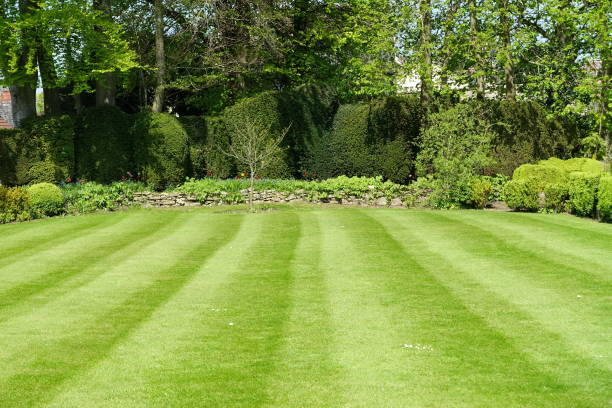
The Benefits of Dormant Season Planting for Boston, MA Landscaping
- The quiet period of off-season work allows landscapers more flexibility in scheduling projects without competing with springtime demand.
- Landscapes planted during dormancy show quicker establishment once growing conditions return in spring.
By taking advantage of these benefits, both experienced gardeners and homeowners alike can ensure their landscapes thrive year-round while reducing maintenance demands over time.
Optimizing Boston, MA Landscape Designs with Dormant Plants for Growth Potential
Dormant plants offer a unique opportunity to maximize growth potential in landscaping projects. By focusing on planting during their dormant season, you can set the stage for robust growth, healthier plants, and long-lasting landscapes. Below, we explore how dormant plants can elevate your landscaping efforts and offer practical tips for success.
Dormant Plants Explained by Top Landscaping Companies Boston, MA
Dormancy refers to a natural phase in a plant’s life cycle when growth slows or stops due to environmental conditions such as colder temperatures or reduced daylight. During this period, plants conserve energy, focusing on root development rather than above-ground growth.
- Deciduous trees that shed their leaves in fall
- Shrubs that enter a resting phase during winter
- Perennials that die back above ground while maintaining healthy roots
Benefits of Planting Dormant Plants
- During dormancy, plants focus energy on establishing strong root systems instead of producing leaves or flowers.
- A well-developed root system helps the plant withstand future environmental stress and fosters better nutrient uptake.
- Moving a plant during its dormant phase minimizes disruption to its natural processes.
- Since the demand for water and nutrients is lower during dormancy, plants are less likely to experience transplant shock.
- Cooler weather reduces evaporation rates, making irrigation more efficient and less frequent.
- Planting during this time conserves water resources while still helping roots acclimate.
- Nurseries often provide discounts on dormant stock toward the end of the growing season, making it an economical choice for large-scale projects.
Tips for Successful Landscaping with Dormant Plants
1. Timing Is Key
- Aim to plant trees, shrubs, or perennials after they have entered dormancy but before the ground freezes.
- For most regions, late fall through early winter is ideal.
2. Prepare the Soil
- Loosen compacted soil before planting to improve drainage and aeration.
- Add organic matter like compost to enrich the soil with essential nutrients needed for root development.
3. Proper Planting Depth
- Ensure you’re planting at the correct depth: most plants should have their root collar (where trunk meets roots) level with or slightly above ground level.
4. Mulch Generously
- Apply 2–3 inches of mulch around newly planted dormant vegetation to insulate roots from fluctuating temperatures.
- Keep mulch away from direct contact with stems or trunks to prevent rot or pests.
5. Monitor Water Needs
- Newly planted dormant specimens still require occasional watering until consistent rain begins.
- Avoid overwatering as excess moisture may lead to root rot.
Table: Optimal Dormancy Periods by Plant Type
| Plant Type | Typical Dormant Season | Ideal Planting Window |
| Deciduous Trees | Late Fall through Winter | November – Early March |
| Evergreen Shrubs | Early Winter | Late November – February |
| Perennials | Fall After Dieback | October – November |
Additional Considerations
- Choose native species whenever possible as they are already adapted to local climates and ecosystems.
- Avoid pruning immediately after planting; allow time for roots to establish before encouraging top growth.
- Consult local experts or landscapers who understand regional soil conditions and climate nuances.
By taking advantage of the dormant season for your landscaping projects, you not only improve success rates but also create resilient landscapes that thrive year-round with minimal maintenance needs over time.
10 Native Perennials That Provide Stunning Fall Color for Your Landscape Design
Incorporating native perennials into your fall landscape design not only enhances the visual appeal of your outdoor space but also supports the local ecosystem. Native plants are well-adapted to the climate, soil, and growing conditions of your region, making them a sustainable and low-maintenance choice. Below are ten exceptional native perennials that bring vibrant fall color to your garden while benefiting pollinators and other wildlife.
1. New England Aster (Symphyotrichum novae-angliae)
- Color: Purple to lavender with yellow centers
- Bloom Time: Late summer to fall
- Benefits: Attracts butterflies like monarchs and provides late-season nectar for pollinators
- Growing Conditions: Full sun; moist, well-drained soil
2. Goldenrod (Solidago species)
- Color: Bright golden-yellow plumes
- Bloom Time: Early to mid-fall
- Benefits: Provides a critical food source for bees, butterflies, and birds in autumn
- Growing Conditions: Full sun; tolerates poor soil conditions
3. Black-Eyed Susan (Rudbeckia hirta)
- Color: Yellow petals with dark brown centers
- Bloom Time: Late summer through early fall
- Benefits: Hardy perennial that attracts bees and adds contrast to cooler fall tones
- Growing Conditions: Full sun; drought-tolerant once established
4. Wild Bergamot (Monarda fistulosa)
- Color: Lavender-pink blooms with mint-scented foliage
- Bloom Time: Late summer into early fall
- Benefits: Supports native bees, hummingbirds, and other beneficial insects
- Growing Conditions: Partial to full sun; prefers well-drained soil
5. Purple Coneflower (Echinacea purpurea)
- Color: Pink-purple petals surrounding an orange cone center
- Bloom Time: Midsummer through early fall
- Benefits: Seeds provide food for birds in late autumn while flowers attract pollinators during bloom season
- Growing Conditions: Prefers full sun; adaptable to various soil types
6. Switchgrass (Panicum virgatum)
- Color: Reddish hues in its seed heads and foliage during the fall months
- Bloom Time (Seed Heads): Late summer through frost
- Benefits: Adds movement and texture to a landscape while improving biodiversity by hosting beneficial insects
- Growing Conditions: Thrives in both wet and dry soils; tolerates partial shade
7. Joe-Pye Weed (Eutrochium purpureum)
- Color: Pale pink-purple flower clusters
- Bloom Time: Mid-to-late fall
- Benefits: Attracts butterflies such as swallowtails and acts as an important nectar source for migrating pollinators
Growing Conditions: Tolerates wet or clay soils but thrives in rich organic matter under sunlight
Quick Reference Table: Colors & Growing Needs
| Perennial | Fall Bloom Color | Light Preference | Soil Needs |
| New England Aster | Purple/Lavender | Full Sun | Moist/Well-drained |
| Goldenrod | Golden Yellow | Full Sun | Dry/Low fertility |
Beauty and Biodiversity: Choosing Native Ground Covers to Enhance Shaded Areas
Selecting native ground covers for shaded areas is an essential aspect of sustainable landscaping. Not only do these plants enhance the natural beauty of your landscape, but they also provide environmental benefits like reducing soil erosion, improving soil health, and supporting local ecosystems. Choosing native varieties ensures that your garden thrives with minimal maintenance while promoting biodiversity.
Why Use Native Ground Covers?
- Adaptability: They require less water, fertilizer, and care since they are accustomed to the local conditions.
- Erosion Control: Their root systems are excellent at stabilizing soil and preventing runoff.
- Support for Wildlife: These plants often provide food and shelter for pollinators, birds, and other beneficial species.
- Low Maintenance: Once established, they need little intervention compared to non-native or high-maintenance options.
Characteristics of Effective Ground Covers for Shade
- Shade Tolerance: Plants that thrive with minimal sunlight.
- Spreading Growth Habit: Ground covers should form a dense mat of foliage to suppress weeds.
- Aesthetic Appeal: Choose varieties with interesting textures or seasonal blooms.
- Resilience: Plants must be hardy enough to withstand foot traffic (if needed) and natural weather fluctuations.
Top Native Ground Covers for Shaded Areas
| Plant Name | Region | Key Features |
| Wild Ginger (Asarum canadense) | Eastern U.S. | Heart-shaped leaves; supports pollinators |
| Foamflower (Tiarella cordifolia) | Eastern & Midwest U.S. | Delicate white flowers; spreads well |
| Bunchberry (Cornus canadensis) | Northern U.S./Canada | Small flowers followed by red berries |
| Green-and-Gold (Chrysogonum virginianum) | Southeast U.S. | Bright yellow blooms; low-growing foliage |
| Allegheny Spurge (Pachysandra procumbens) | Southeast & Mid-Atlantic U.S. | Evergreen foliage; subtle blooms |
Steps to Successfully Establish Native Ground Covers
- Assess Your Site Conditions
Identify areas with dense shade or partial shade and evaluate the soil type (e.g., sandy, loamy). - Prepare the Soil
Remove weeds or invasive species from the area. Loosen the soil and amend it with compost if necessary. - Select Appropriate Plants
Choose native ground covers suited to your region’s climate—referencing a trusted database like USDA’s plant zone map can help narrow options. - Plant Strategically
Space plants appropriately based on their growth habits—too close can create competition while too far apart delays coverage. - Water Consistently During Establishment Periods
While these plants require less care over time, ensure adequate watering during their first growing season. - Mulch Around Plantings
Apply organic mulch between young plants to retain moisture and suppress weed growth without smothering them. - Monitor Growth Regularly
Check periodically for signs of pests or disease and prune as needed to keep growth healthy.
Enhancing Biodiversity with Layered Planting
- Low-growing ferns such as Maidenhair Fern (Adiantum pedatum).
- Shrubby perennials like Spicebush (Lindera benzoin).
- Shade-tolerant wildflowers including Columbine (Aquilegia spp.).
By thoughtfully choosing native ground covers designed for shady environments, you can create an appealing yet environmentally responsible landscape design that lasts for years while fostering local biodiversity effectively.
- Why Fall is the Ideal Season for Boston, MA Landscape Revitalization
- Expert Tips for Landscaping Boston, MA Gardens in the Fall Season
- Optimal Times for Planting Trees, Shrubs, and Flowers in Landscaping Boston, MA
- How to Plan Your Perfect Boston, MA Landscape Design This Winter
- The Best Time for Boston, MA Landscape Projects to Transform Your Outdoor Space
- Tips from Gardening Pros for Maintaining Boston, MA Landscapes in the Fall